
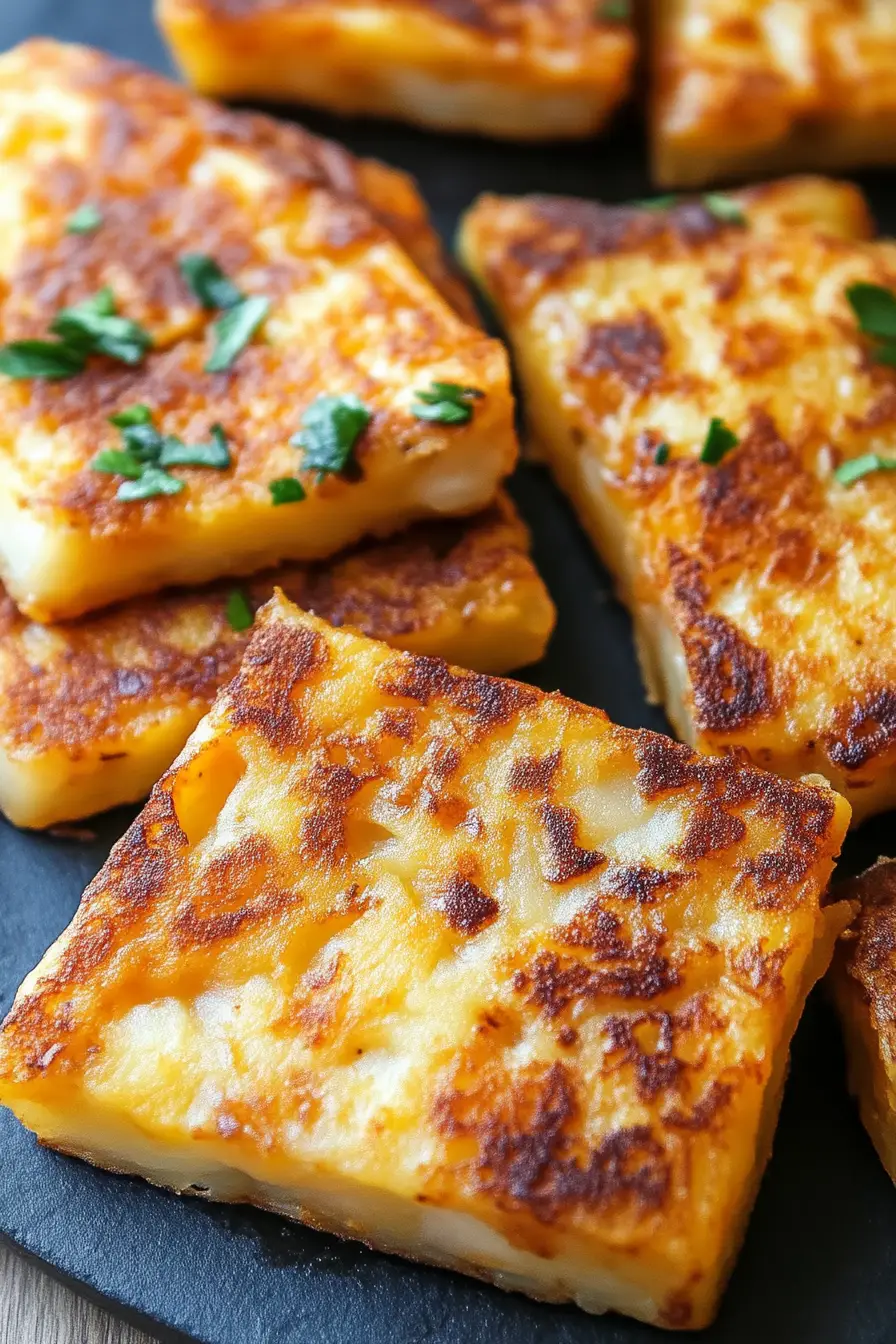
Irish potato farls are a traditional griddle bread that transforms leftover mashed potatoes into golden, crispy flatbreads perfect for breakfast or any meal. I first tried these at a bed and breakfast in County Down, where they arrived hot off the griddle alongside a full Irish breakfast, and I’ve been making them at home ever since. They’re incredibly simple, just four ingredients mixed together, rolled out, and cooked on a hot pan until they develop those characteristic brown spots.
What I love most is how they use up yesterday’s mashed potatoes and come together in about 20 minutes. The outside gets beautifully crisp while the inside stays soft and potato-y, making them ideal for soaking up egg yolk or spreading with butter and jam.
Ingredients
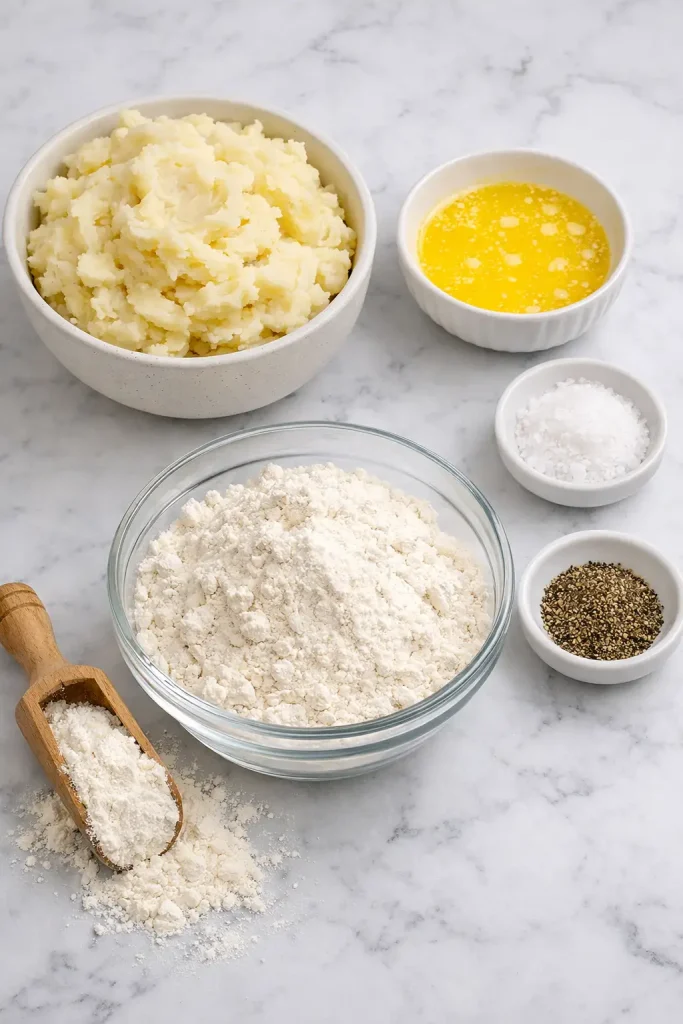
- 2 cups mashed potatoes, cooled (leftover works best)
- 3 tablespoons unsalted butter, melted
- 1 cup all-purpose flour, plus extra for dusting
- 1 teaspoon salt
- ¼ teaspoon black pepper (optional)
How To Make Irish Potato Farls
- Place your cooled mashed potatoes in a large mixing bowl and add the melted butter, mixing until fully combined.
- Add the flour, salt, and pepper to the potato mixture, stirring with a wooden spoon until a soft dough forms.
- Turn the dough out onto a well-floured surface and knead gently 3-4 times until it comes together smoothly.
- Roll the dough into a circle about ½-inch thick, dusting with additional flour if it sticks to your rolling pin.
- Cut the circle into quarters to form four triangular farls using a sharp knife or bench scraper.
- Heat a dry cast-iron skillet or griddle over medium heat until a drop of water sizzles on contact.
- Cook the farls for 3-4 minutes per side until golden brown spots appear and they feel firm when pressed gently with a spatula.
- Transfer to a plate and serve immediately while hot, or keep warm wrapped in a clean kitchen towel.
Serving Suggestions
Potato farls are breakfast champions in Ireland, traditionally served as part of a full Irish fry-up alongside bacon, eggs, sausages, and tomatoes. They’re brilliant for mopping up runny egg yolks or baked beans. I also love splitting them horizontally and using them as burger buns, they add a unique texture that regular buns can’t match.
For a lighter meal, serve them warm with smoked salmon and cream cheese, or simply buttered with a drizzle of honey. They’re also fantastic alongside soups and stews, where they can replace regular bread for dunking. If you’re feeling indulgent, fry them in a little butter instead of cooking them dry for extra richness.
Storage Tips
Fresh farls taste best eaten within a few hours of cooking, but you can store leftovers in an airtight container at room temperature for up to 2 days. Reheat them in a dry skillet over medium heat for about a minute per side to restore their crispness.
For longer storage, wrap cooled farls individually in plastic wrap and freeze for up to 3 months. You don’t need to thaw them, just cook from frozen in a hot pan, adding an extra minute to each side. They won’t be quite as crispy as fresh, but they’ll still be delicious and save you time on busy mornings.
Recipe Variations
If you’ve got leftover mashed potatoes with butter and cream already mixed in, reduce the added butter to 1 tablespoon. For a richer version, substitute half the flour with whole wheat flour for a nuttier flavor and heartier texture.
You can customize these by adding chopped fresh herbs like chives, parsley, or thyme directly to the dough. Some people add a handful of grated cheddar cheese for savory breakfast farls. For a traditional Ulster variation, add a pinch of baking soda to make them slightly lighter and fluffier.
Notes
- Use starchy potatoes like Russets or Maris Piper for the best texture, waxy potatoes make the dough too sticky
- Don’t overwork the dough or your farls will become tough; mix just until combined
- Keep the skillet at medium heat, too hot and they’ll burn before cooking through
- The dough should be soft but manageable; if it’s too sticky, add flour a tablespoon at a time
- You can make the dough up to 2 hours ahead and keep it covered in the fridge until ready to cook
- A cast-iron skillet gives the best results, but any heavy-bottomed pan works fine
Your Questions Answered
Can I use instant mashed potatoes? Fresh mashed potatoes work best, but instant will do in a pinch. Prepare them according to package directions and let them cool completely before mixing with the other ingredients. The texture won’t be quite as good, but they’ll still taste fine.
Why are my potato farls falling apart? This usually means you need more flour to bind the dough. Add it gradually, one tablespoon at a time, until the dough holds together when shaped. Also make sure you’re not flipping them too early, they need that full 3-4 minutes to set properly on the first side.
Can I cook these in the oven instead? While traditional farls are griddle-cooked, you can bake them at 400°F for about 15-18 minutes, flipping halfway through. They won’t develop the same charred spots, but they’ll still taste good and this method works well if you’re making a large batch.
What’s the difference between potato farls and potato bread? They’re very similar, but potato bread sometimes includes baking powder for extra lift and may be cut into rounds instead of triangles. Farls specifically refer to the triangular quarter-cuts and are traditionally cooked on a griddle without any leavening agent.
How do I know when they’re done cooking? Look for golden-brown spots on the surface and a firm texture when you press the center gently with your spatula. They should sound slightly hollow when tapped and feel dry to the touch rather than doughy.
Print
Authentic Irish Potato Farls
- Total Time: 35 minutes
- Yield: 8 farls 1x
- Diet: Vegetarian
Ingredients
- 2 cups mashed potatoes, cooled (leftover works best)
- 3 tablespoons unsalted butter, melted
- 1 cup all-purpose flour, plus extra for dusting
- 1 teaspoon salt
- ¼ teaspoon black pepper (optional)
Instructions
- Place your cooled mashed potatoes in a large mixing bowl and add the melted butter, mixing until fully combined.
- Add the flour, salt, and pepper to the potato mixture, stirring with a wooden spoon until a soft dough forms.
- Turn the dough out onto a well-floured surface and knead gently 3-4 times until it comes together smoothly.
- Roll the dough into a circle about ½-inch thick, dusting with additional flour if it sticks to your rolling pin.
- Cut the circle into quarters to form four triangular farls using a sharp knife or bench scraper.
- Heat a dry cast-iron skillet or griddle over medium heat until a drop of water sizzles on contact.
- Cook the farls for 3-4 minutes per side until golden brown spots appear and they feel firm when pressed gently with a spatula.
- Transfer to a plate and serve immediately while hot, or keep warm wrapped in a clean kitchen towel.
Notes
- Use starchy potatoes like Russets or Maris Piper for the best texture, waxy potatoes make the dough too sticky
- Don’t overwork the dough or your farls will become tough; mix just until combined
- Keep the skillet at medium heat, too hot and they’ll burn before cooking through
- The dough should be soft but manageable; if it’s too sticky, add flour a tablespoon at a time
- You can make the dough up to 2 hours ahead and keep it covered in the fridge until ready to cook
- A cast-iron skillet gives the best results, but any heavy-bottomed pan works fine
- Prep Time: 20 minutes
- Cook Time: 15 minutes
- Category: Breakfast
- Method: Pan-fried
- Cuisine: Irish
Nutrition
- Serving Size: 2 farls
- Calories: 180 kcal
- Sugar: 1 g
- Sodium: 220 mg
- Fat: 4 g
- Saturated Fat: 2 g
- Unsaturated Fat: 2 g
- Trans Fat: 0 g
- Carbohydrates: 32 g
- Fiber: 3 g
- Protein: 4 g
- Cholesterol: 10 mg